Keeping an open mind is key for a fulfilling career in science
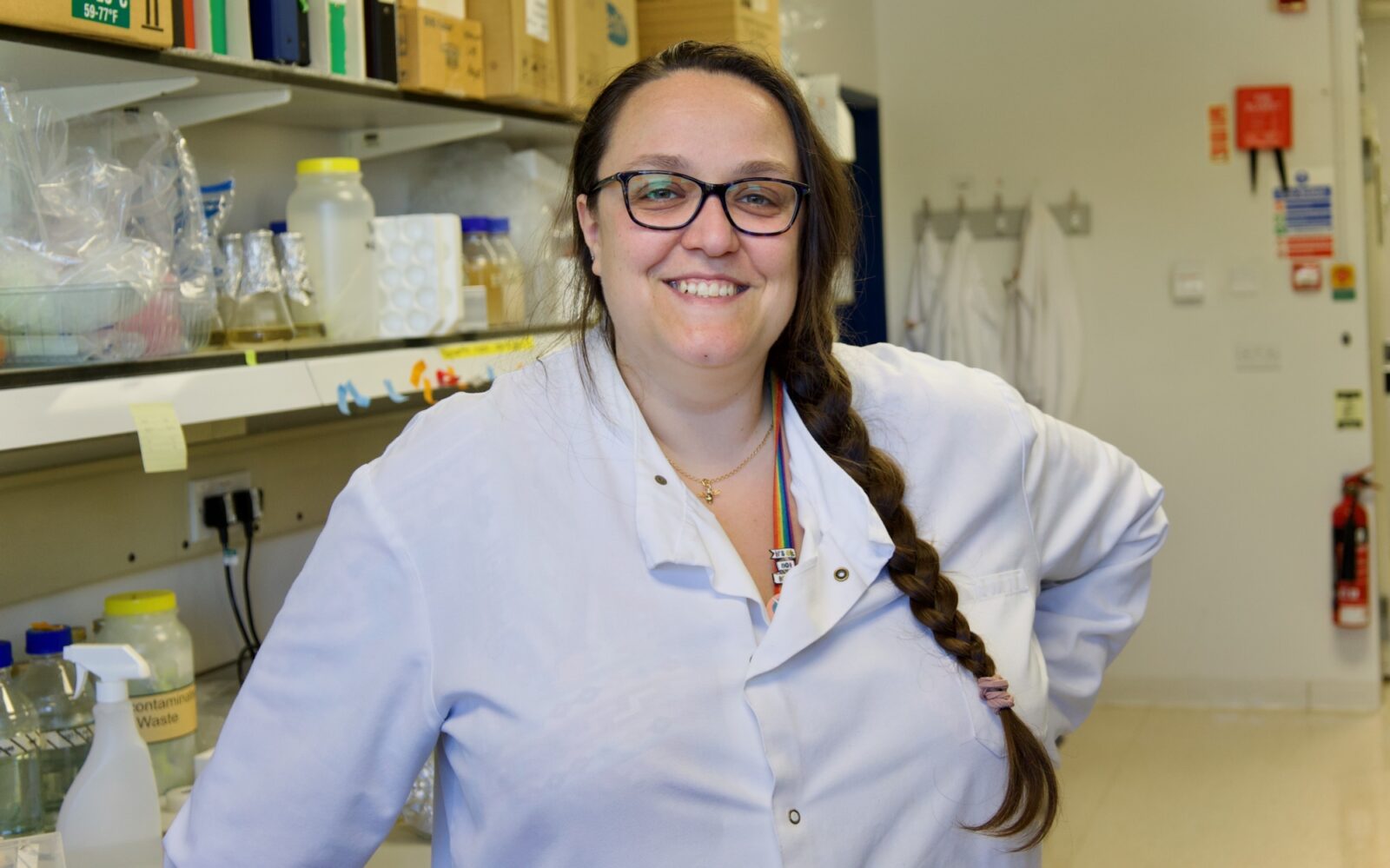
Dr. Adeline Harant, Senior Research Assistant in the Kamoun group, tells us what it's like to be part of TSL’s research support staff.
By Laura Turchi
When thinking about a career in science, many people only picture the academic path — PhD and postdoc, until you finally become a professor. But there are so many other exciting and meaningful roles that often go unnoticed. Despite being less visible, our highly skilled and incredibly helpful support staff plays an integral part in all of TSL's greatest scientific discoveries, and such roles can be quite unique.
“There are many career paths in science that people don't think about because everyone is so fixated on the traditional academic path. But there is so much more you can do.” - Adeline Harant
To know more about the variety of careers that exist in science, and to get a better sense of what a support role is like, we had a chat with Dr. Adeline Harant. Adeline has been working in the Kamoun group for eight years, and she is also the chair of TSL's Technician's Committee, where she champions career development of lab technicians and support staff.
TSL is a signatory of the Technician Commitment and aims to value, develop and reward our highly skilled technical employees, who play a vital role in our institute’s work.
Adeline also helps organise the yearly NBI Accessible Science Talks event, which recently took place at the Norwich Research Park.
“A career in a support role is usually seen as not as great and prestigious as the traditional academic route." says Adeline, "The truth is that many people wouldn't get to do so much of the fantastic research they do, and so quickly, without support.”
A chat with Adeline
What is your role at TSL?
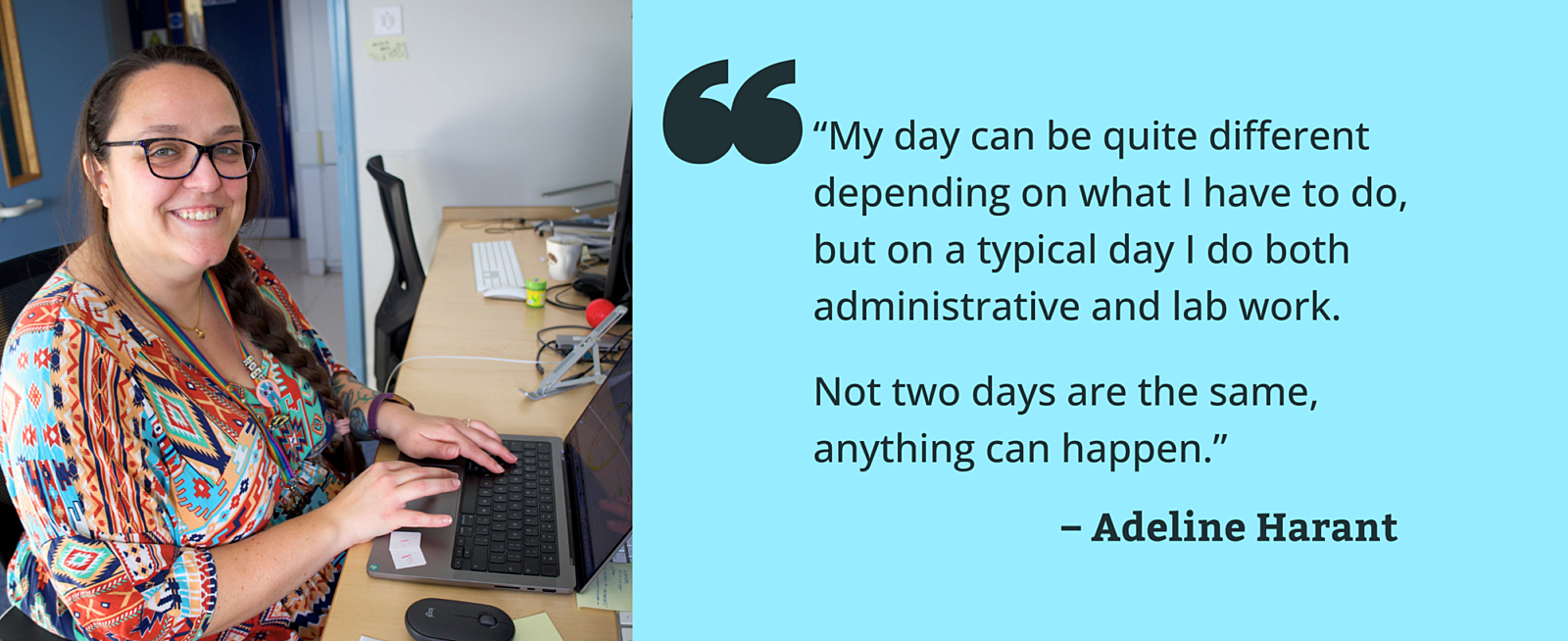
I am a Senior Research Assistant (RA) in Sophien Kamoun’s group. It’s kind of a lab manager position for the team. There are two sides to my job – I do lab work for anyone who needs it, but I also take care of lab management in general. That includes pretty much everything – when someone new starts their contract, I do all the introductions and trainings with them, I take care of all orders, plasmids, stocks, lab organisation, as well as all the paperwork to send and receive biological material. I provide all the support that people need to spend as much time as possible in the lab doing their research. In addition to that, I'm also Technician Commitment Lead in TSL, chair of the Technician Committee, Kamoun Lab representative for the TSL Sustainability Committee and chair of the Benthamiana User Group meeting. Wherever I can help, I help.
How long have you been in this role?
I started working at TSL at the end of July 2017. I came here for a six-month technician position, and I’ve been here ever since. At the time, I had just finished my PhD, and while I knew I didn't want to do a postdoc, I had no idea what else to do. I thought that six months would give me a chance to work while I figured out the next step in my life. I was hired to extract RNA from samples of wheat blast for RNA-seq in the Kamoun group, with Joe Win and Emilie Chanclud, who was a postdoc at the time. I did all of it within the six months, and I started helping other people in the lab. At the end of the six months, my contract was extended for an extra year, then two more. At the time, I was a technician, so I focussed on lab work while Joe, a senior postdoc and standing RA for the group, was taking care of all the administration and organisation. I progressively took on more and more of Joe’s duties to leave him more time to do his research, so I went from technician to RA and then Senior RA.
What is a typical workday like for you?
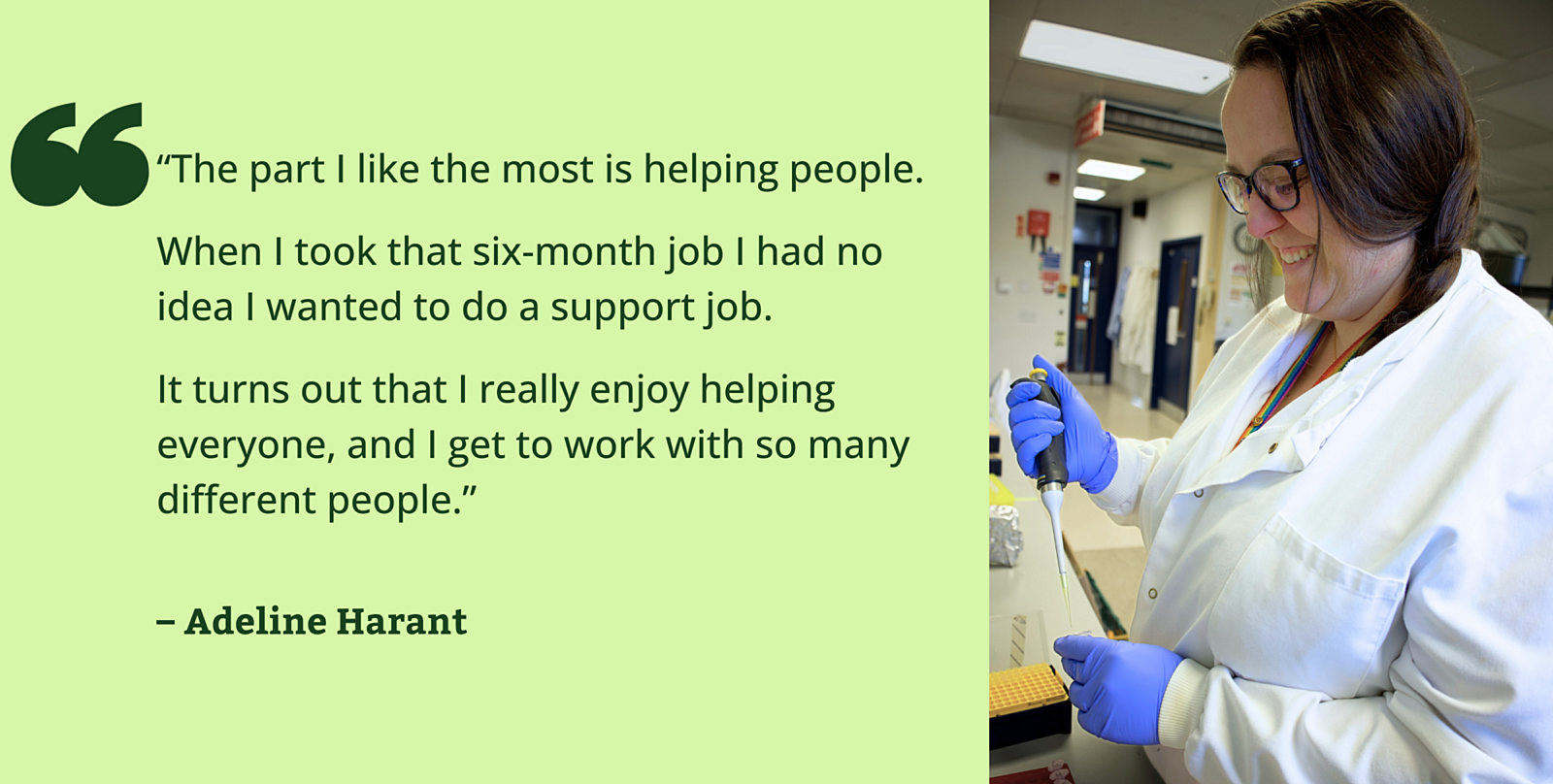
My day can be quite different depending on what I have to do, but on a typical day I do both administrative and lab work. I’m a morning person, so I tend to arrive in the lab quite early. The first thing I do is check my emails and check the lab, then I go get some tea and start experiments. If I have a very big experiment, I arrive earlier and go straight to the lab. After I’m done with experiments for the day, I plan my week, as I tend to plan my schedule 1 to 2 weeks ahead of time. I put everything in, this way if someone asks me for help, I know directly if I can help them and when. I always leave some room for unplanned emergencies, because these happen a lot in a research lab. It’s rare, but if I don't have any planned lab work for a particular day, I use that time to clean the lab or do other housekeeping tasks. I like the fact that no two days are the same, anything can happen!
What do you like the most about your job?
The part I like the most is helping people. In all honesty, when I took that six-month job, I didn't know what I wanted to do. I had no idea I wanted to do a support job. I took it because it was a perfect in-between while I figured out what I wanted. But it turns out that I really enjoy helping everyone, and I get to work with so many different people, from my lab and other labs. I’m always happy to help and teach people from other teams or institutes with their experiments. I am doing this job because I love helping people achieve their own goals, it is something I find extremely fulfilling. I will always help anyone who needs help, at work and off work.
Do you have a favourite experiment?
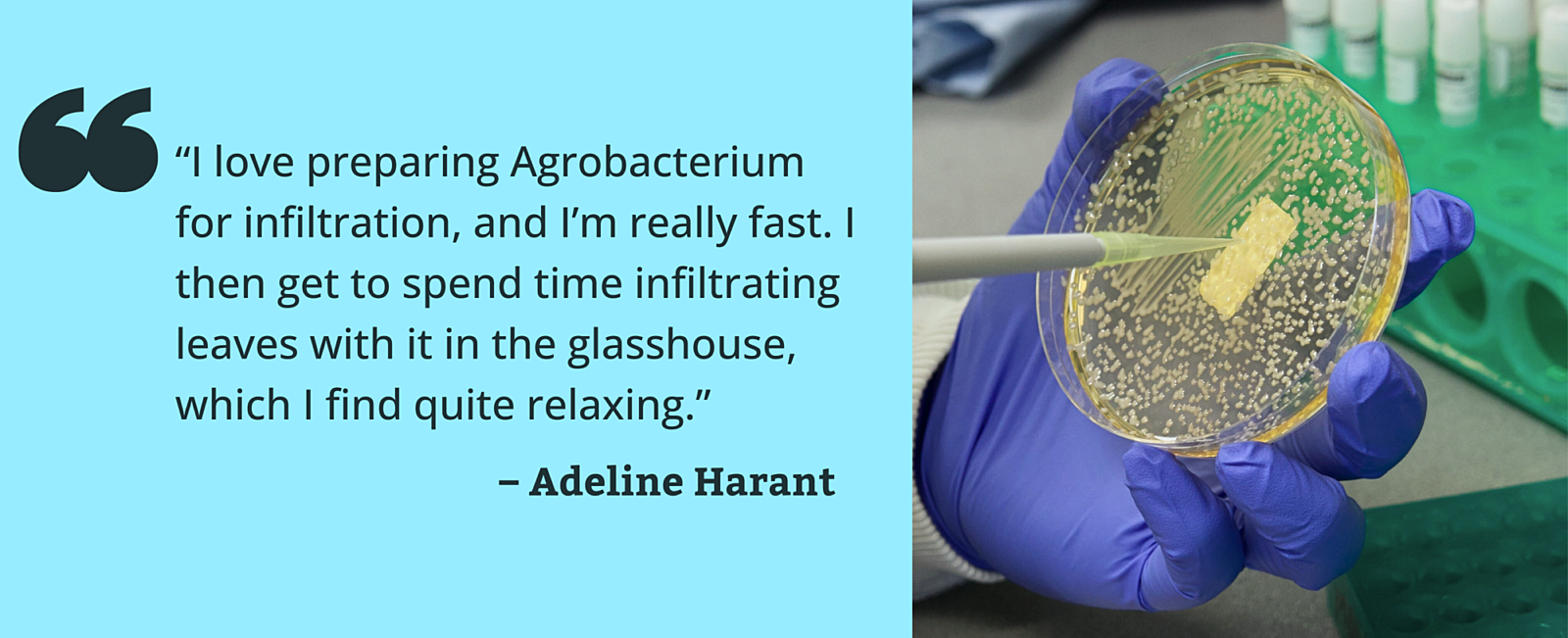
I love preparing Agrobacterium for infiltration. I really like preparing it, and I’m really fast at doing it. I then get to spend time infiltrating leaves with it in the glasshouse, which I find quite relaxing.
Did you undergo additional training while at TSL?
Yes, I did. Sophien has been kind enough to sponsor my Leadership and Management certificate level 3, that I finished last year. I am now working towards a level 5 certificate in effective coaching and mentoring.
What do you do when you're not in the lab?
I wake up early and take out my dog for her morning walk. Same thing after work. Then I usually rest, watch TV or play video games, cook and go to bed early. During the week, I don't do much else. At the weekend, I take care of the garden, paint the house and generally do all the housework. I love baking and will bake something with whatever is available in my house. I also have a crafting room that I use when I have some free time. I particularly like trying new things in the crafting realm, so I have pretty much everything to do everything, but there's very little that I keep doing for a long time. The exception is earrings – I’ve been making those for a very long time, for friends and family. But I’ve also tried hand knitting, crocheting, working with clay, sewing, flower drying, … Crafting is fun!
Do you have any advice for people considering a career in science?
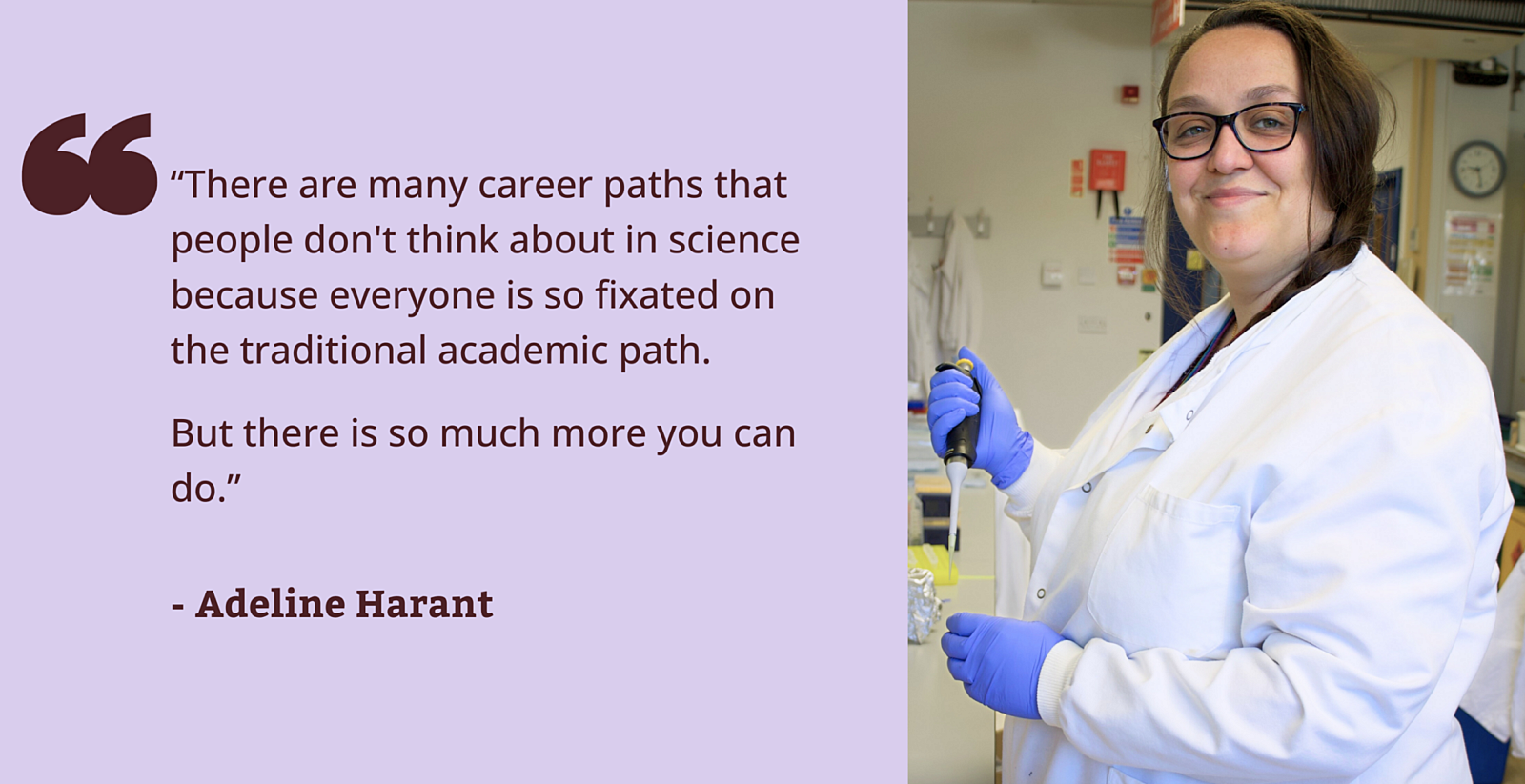
I think that in science it’s important to not be fixed on one end goal, because you might realise on the way that it is not what you want. That is what happened to me. I had planned on getting my PhD and then building a full research team of my own since I was a teenager. But the more I went on, the more my mind changed. By the time I reached the end of my PhD, I knew a postdoc was not for me. I love being in the lab, doing science, and that’s what I find exciting, so I took that 6-month job in Sophien’s team and the rest is history. I realised that this role was what I was looking for. I think for young people it’s also good to know what you're doing the job for. People often see support as a negative thing, like they somehow failed to be in the main branch, but that's not really the case. Truth is that many people wouldn't get to do so much of the fantastic research they do, and so quickly, without support. My advice is to keep all the doors open because in time, things might change, and you may want to take a different path. You may decide that switching from a postdoc to a different kind of role is more fulfilling to you, like many other people have. There are many career paths that people don't think about because they are so fixated on the traditional academic path – PhD, postdoc and then PI. But there is so much more you can do. You could do a master's or PhD, then work as support in microscopy and then go all the way up to head of microscopy in a fancy lab, or become senior RA like I did.
Thank you Adeline for your time, I hope your experience will inspire new generations of scientists to consider research support as a valuable and fulfilling career.