Landmark genomic sequencing of iconic Tunisian durum varieties for climate-resilient breeding
Researchers in Tunisia have sequenced the complete genomes of two iconic durum wheat landraces, Mahmoudi and Chili, unlocking a treasure trove of genetic traits that could help safeguard global wheat production in the face of climate change.
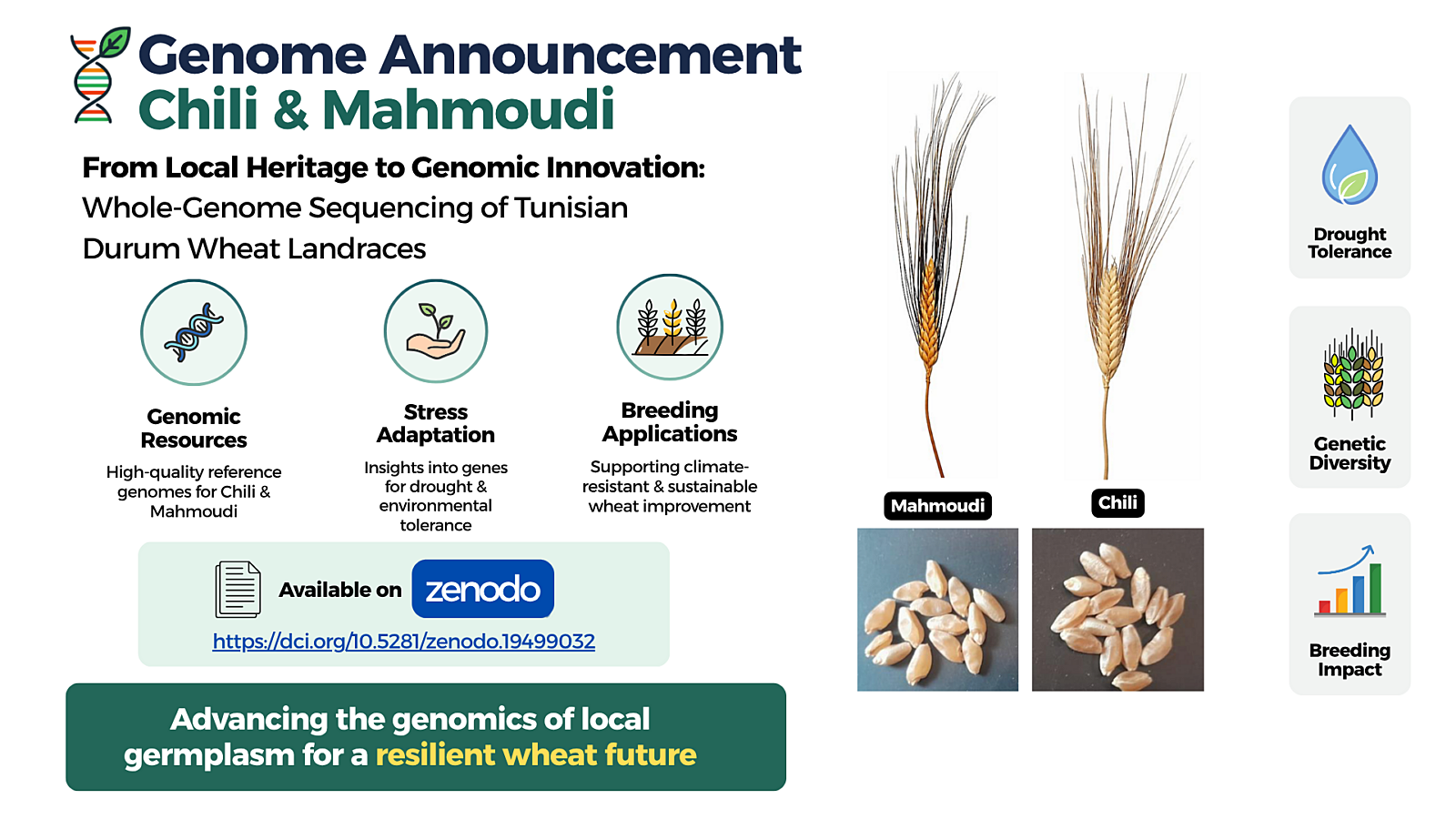
These landraces are living archives of Tunisia’s agricultural history, culinary tradition, and genetic resilience. For generations, Tunisian farmers have cultivated Mahmoudi and Chili because of their exceptional grain quality, drought tolerance, and disease resistance.
Today, Mahmoud and Chili landraces become a critical global resource for researchers and breeders working to develop more resilient climate wheat varieties.
Through cutting-edge sequencing technologies, Tunisian scientists have generated a comprehensive genomic sequence for both landraces, offering an unprecedented window into their genetic composition and untapped potential. The genomic data is now freely available through the OpenDurumGPT platform on Zenodo, enabling scientists worldwide to explore and utilise these genetic resources.
This project was a collaboration between the Higher Institute of Biotechnology (University of Sfax) and the National Gene Bank of Tunisia, and was supported by GetGenome, a non-profit organisation based at The Sainsbury Laboratory, Norwich, UK.
A press briefing took place on Friday, 24 April 2026, starting at 10:30 a.m., at the National Gene Bank (Boulevard du Leader Yasser Arafat, Tunis).
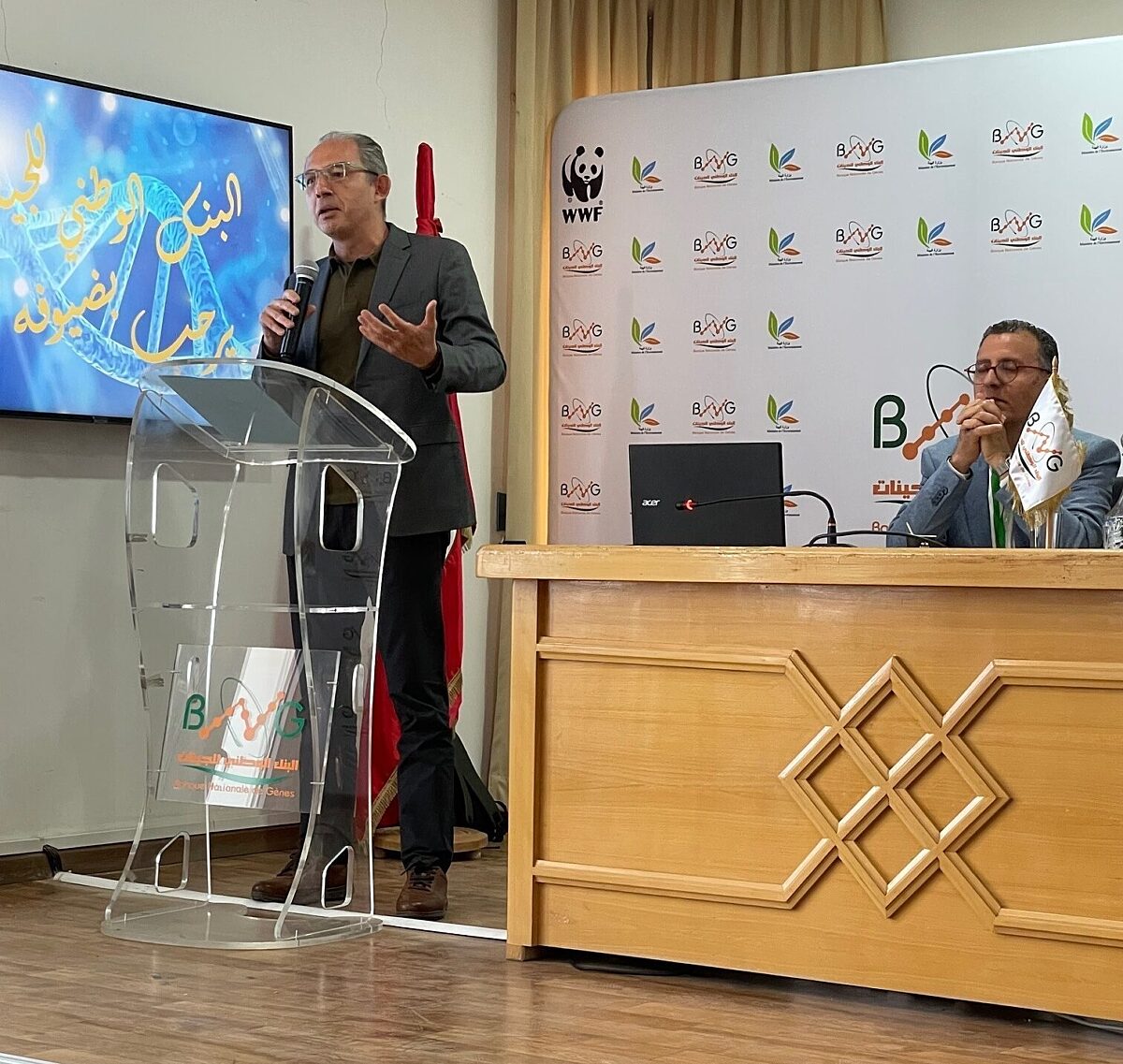
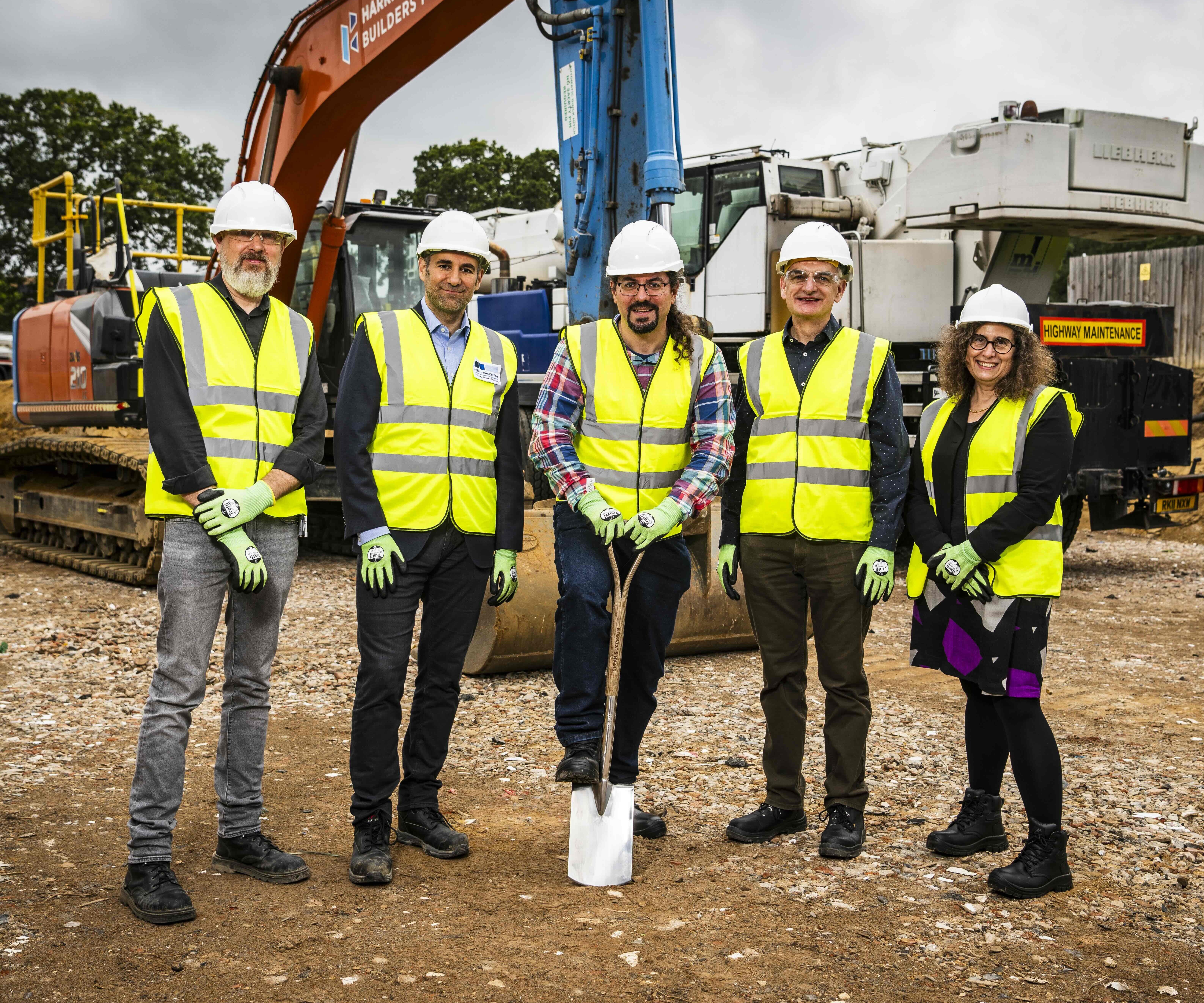
Professor Sophien Kamoun and Professor Moez Hanin at the press briefing on 24 April.
“Sequencing the genomes of these two Tunisian durum wheat landraces is a groundbreaking step. Mahmoudi and Chili will be key to developing more climate-resilient wheat in our country, while honouring the wisdom of Tunisian farmers who have nurtured these varieties for centuries.” — Moez Hanin, Professor at the Higher Institute of Biotechnology (University of Sfax) and leader of the DurumGPT project
“Mahmoudi and Chili are living treasures of Tunisian civilisation, shaped over centuries by the hands of Tunisian farmers. Their genome sequences must be cherished—and put to work. They are the foundation of analyses that will drive the next generation of climate-resilient wheat and secure the food future of the country.” — Sophien Kamoun, Professor and Group Leader at The Sainsbury Laboratory, Norwich
“Sequencing the genomes of two ancestral Tunisian durum wheat landraces, Mahmoudi and Chili, represents a significant milestone in agricultural innovation — one that goes far beyond a mere scientific achievement. By identifying the unique genetic traits of Mahmoudi and Chili, this research provides a roadmap for developing wheat varieties specifically adapted to climate stressors such as drought, heat, and soil salinity. Ultimately, this work strengthens food security and promotes smart, sustainable agriculture in Tunisia by leveraging the natural resilience of local genetic resources. We are no longer victims of climate change; we are masters of our adaptation.” — Mohamed Ali Ben Temessek, General Director of the National Gene Bank of Tunisia, Ministry of Environment
“Durum wheat has shaped Tunisia’s fields, kitchens, and culture for centuries. By sequencing Mahmoudi and Chili, we are preserving a living heritage and strengthening the resilience of a staple that underpins both food security and national identity.” — Brande Wulff, Associate Professor at King Abdullah University of Science and Technology