Closing the gap: AI in Genomics training delivers real gains for researchers
GetGenome and The Sainsbury Laboratory share what changed for the 61 researchers who took part — and what happens next.
Norwich, UK, 1 October 2026 — In September 2026, The Sainsbury Laboratory (TSL) and GetGenome delivered AI in Genomics: Real-World Applications and Opportunities a hands-on workshop bringing AI-enabled genomics tools to Tunis and Sfax, Tunisia. The workshop set out to widen access to AI-driven structural biology tools for early-career researchers. Now that it has run, pre- and post-workshop survey data show just how much changed for the people who took part.
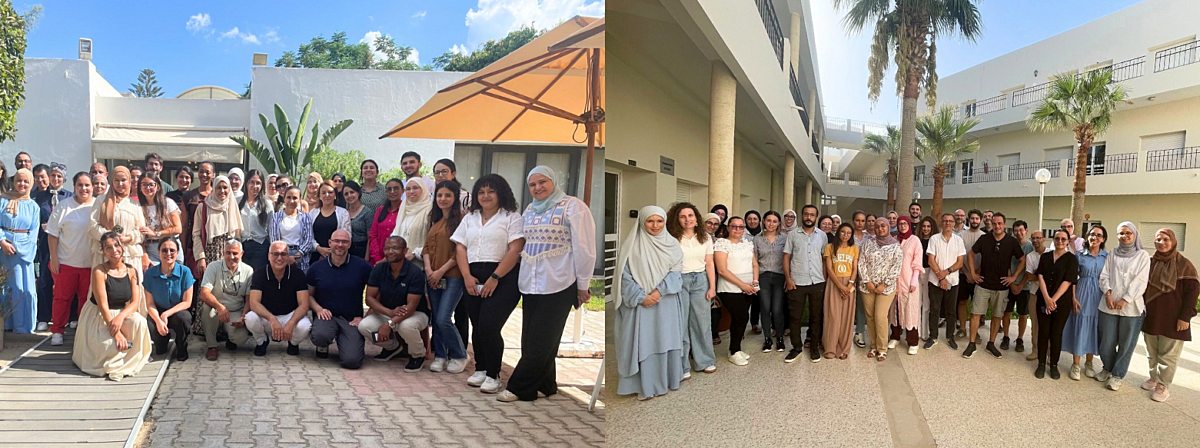
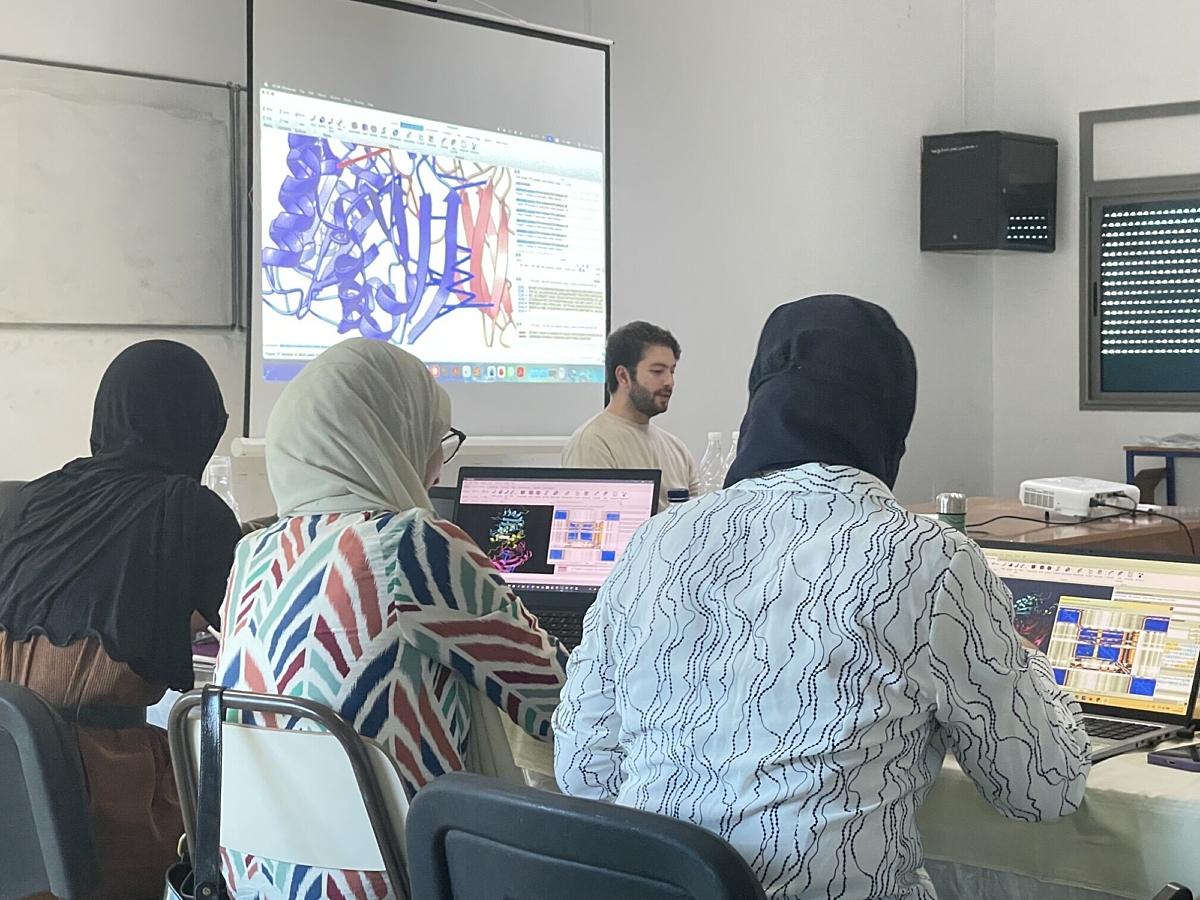
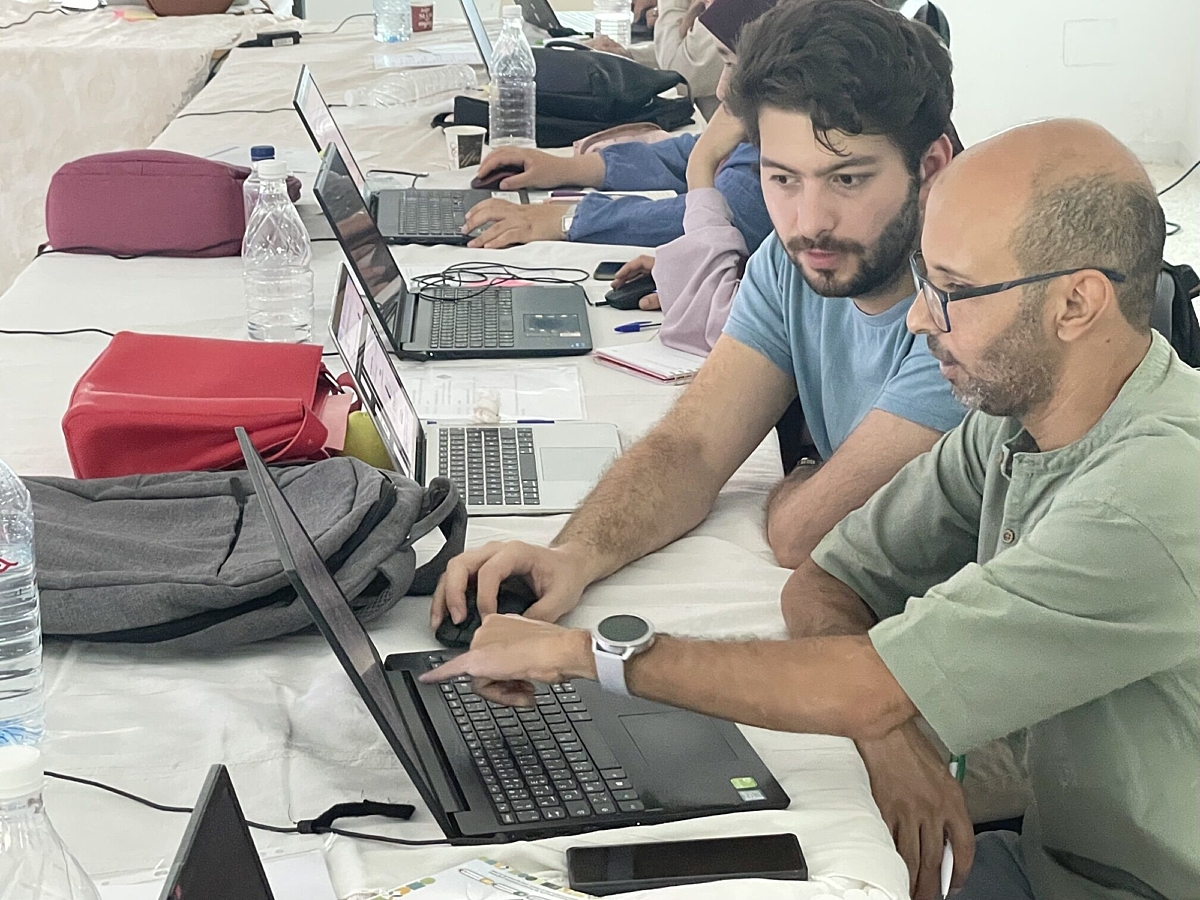
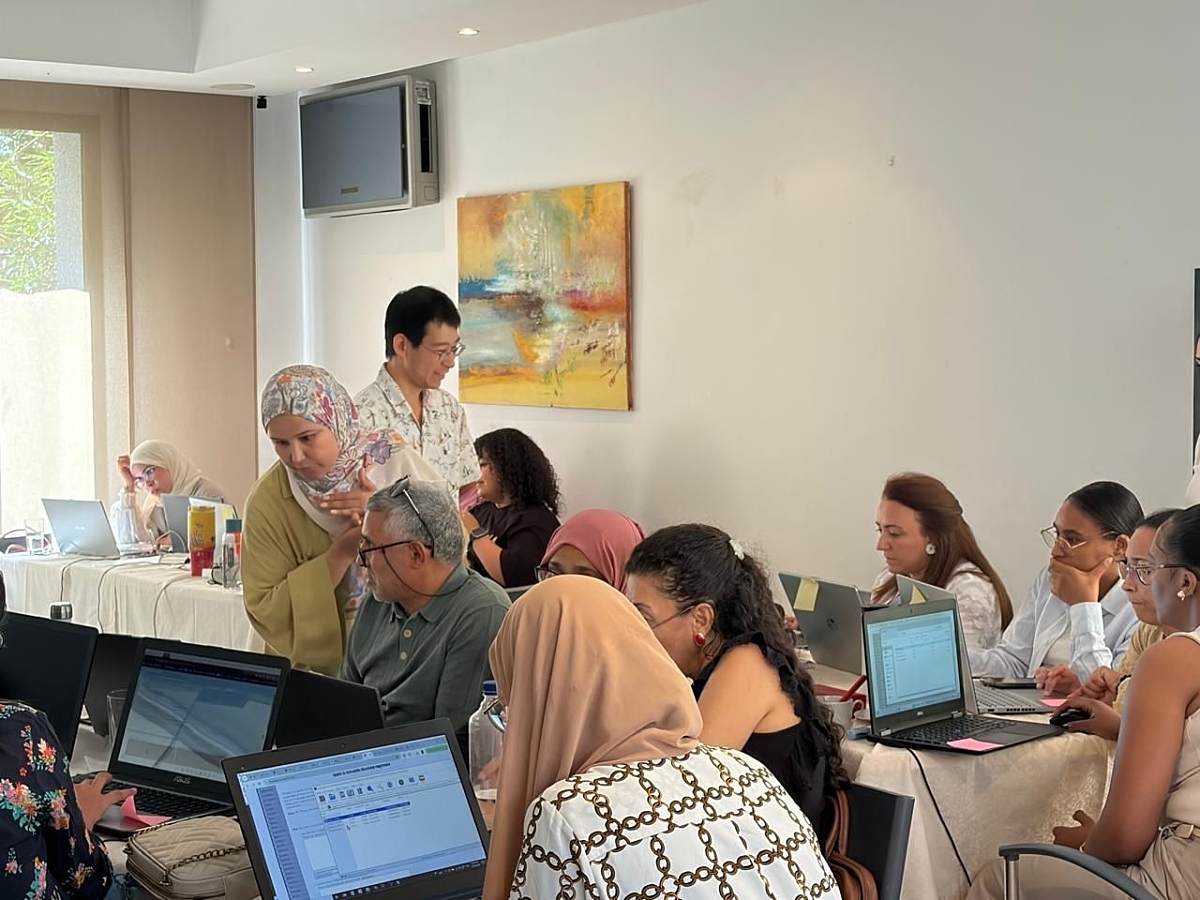
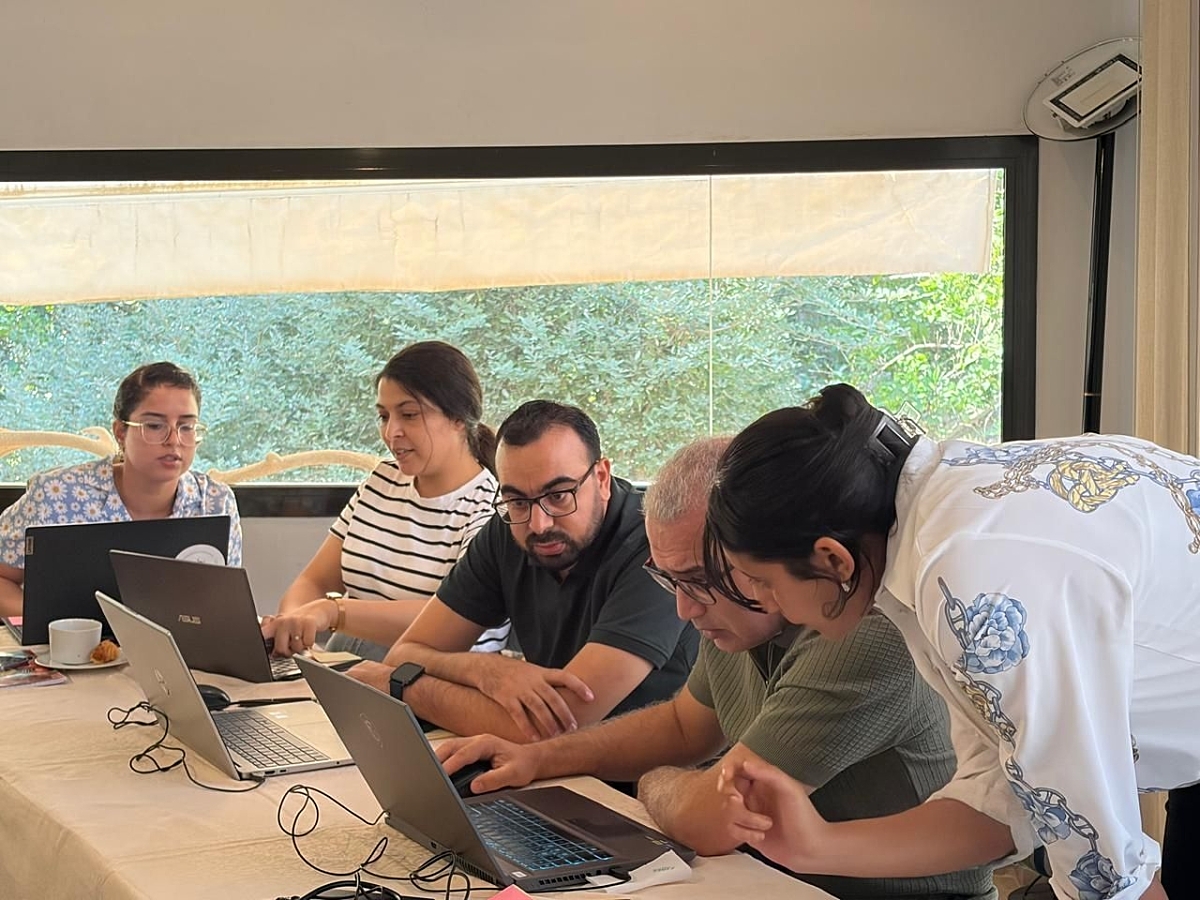
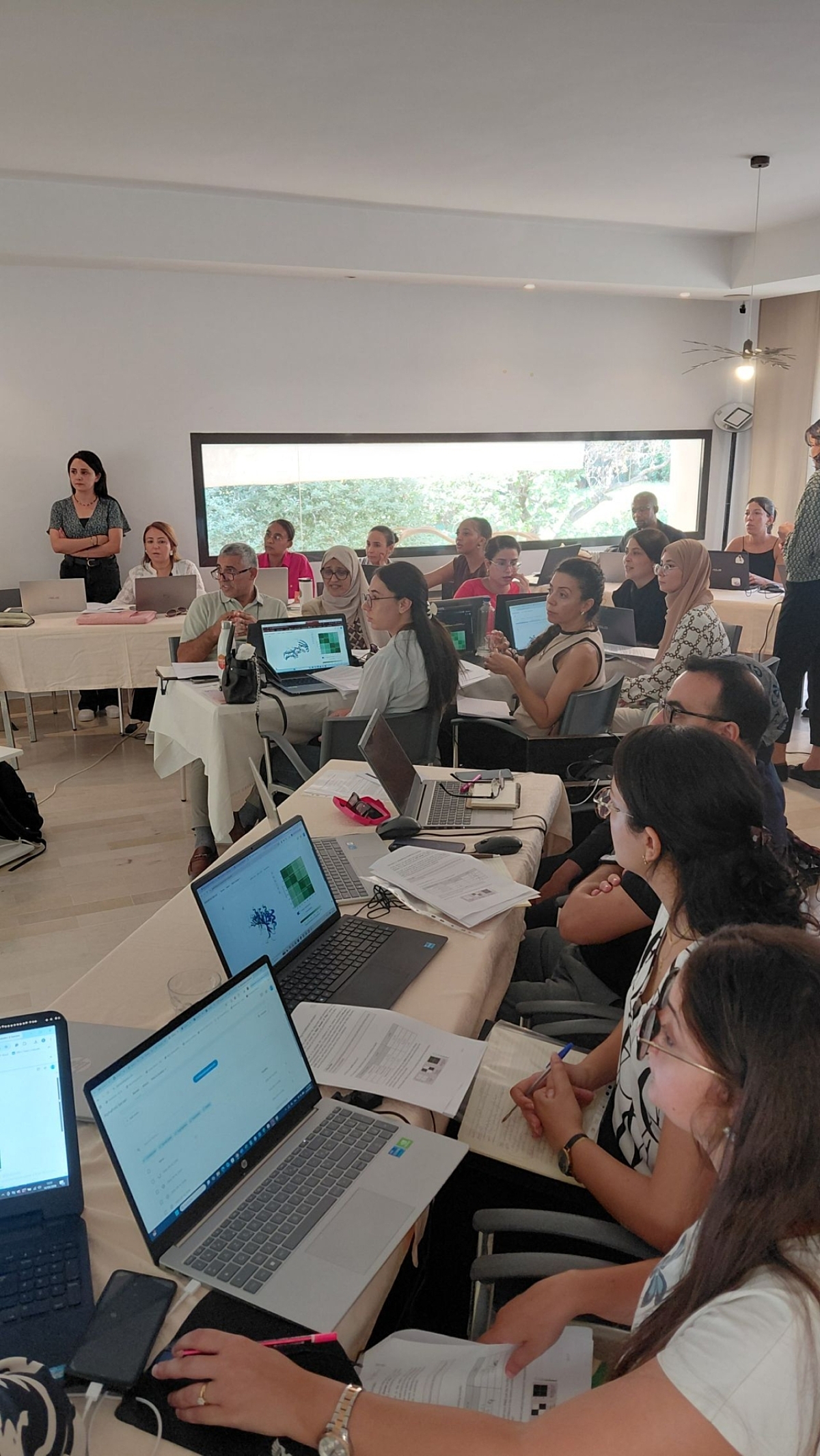
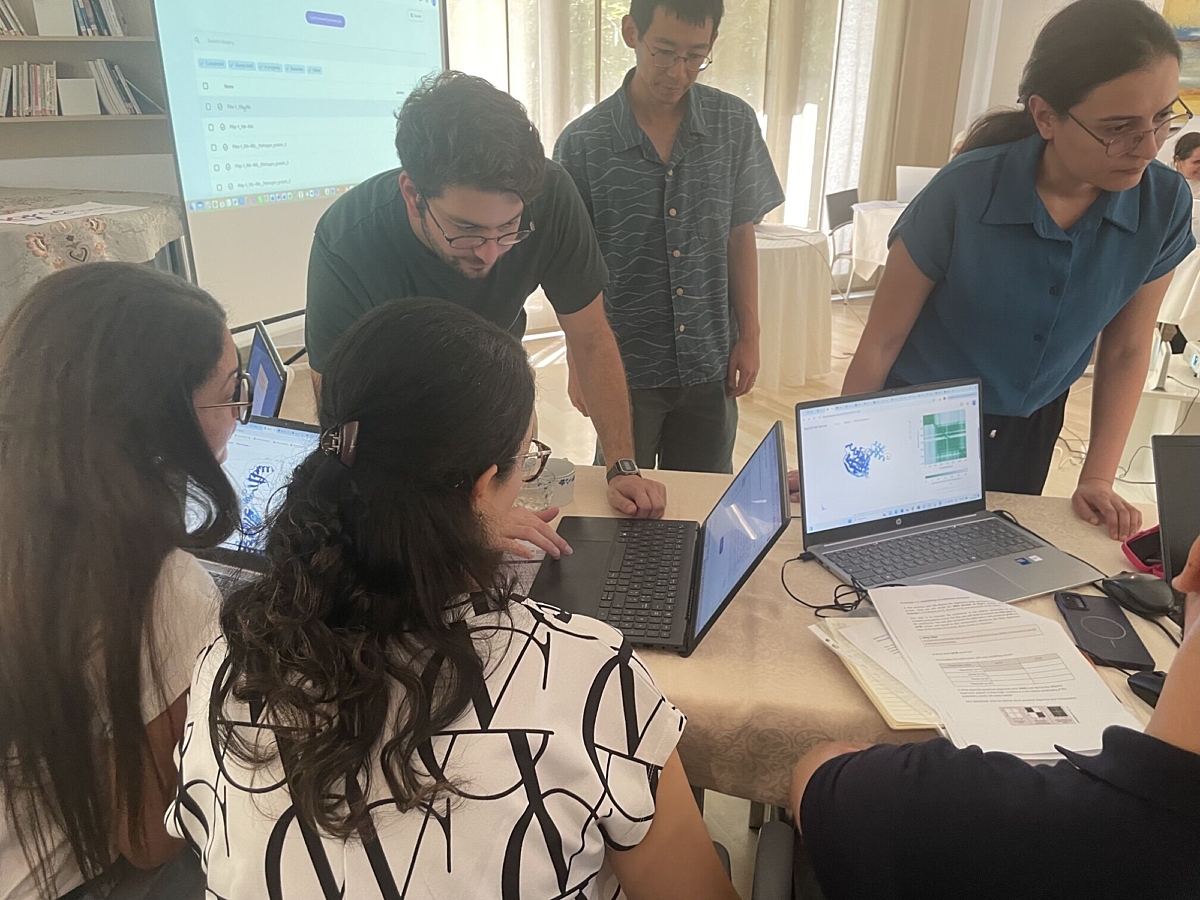
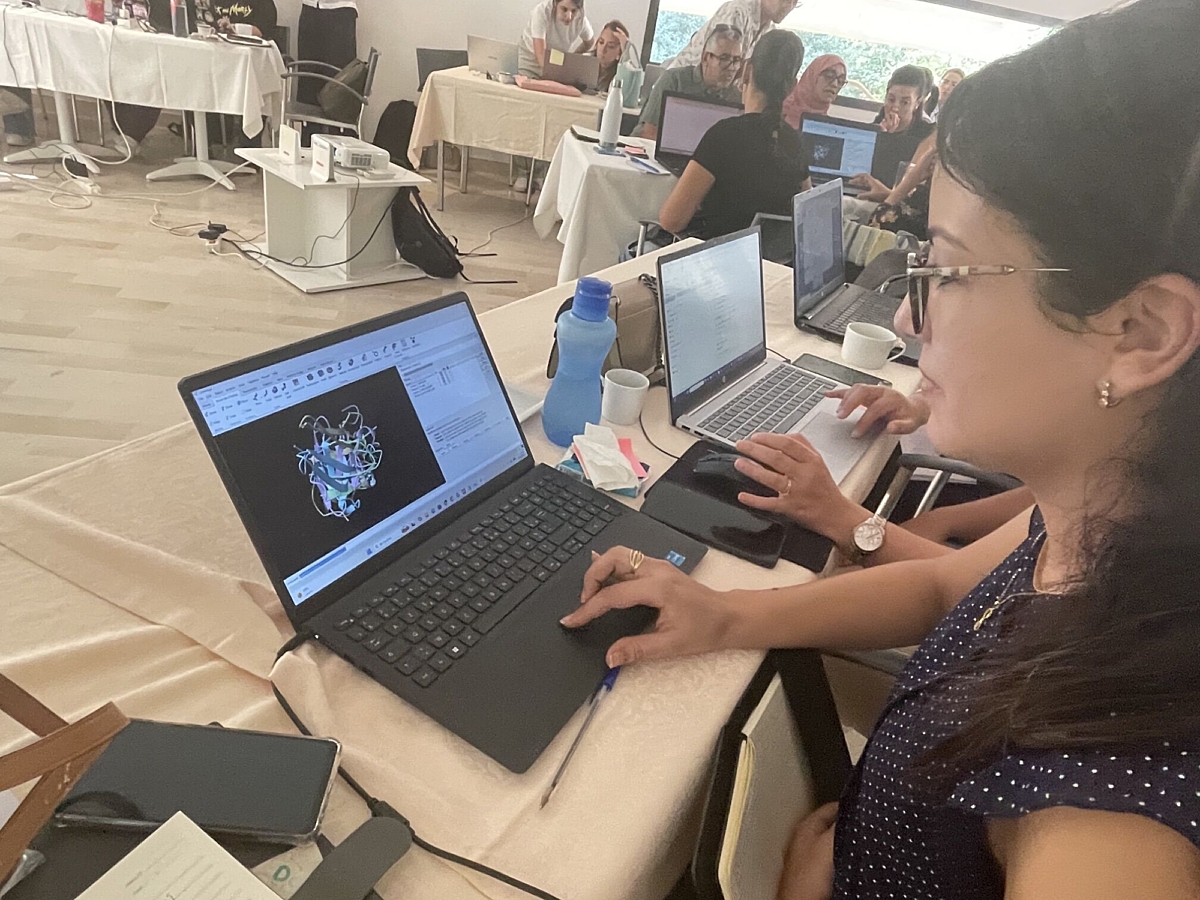
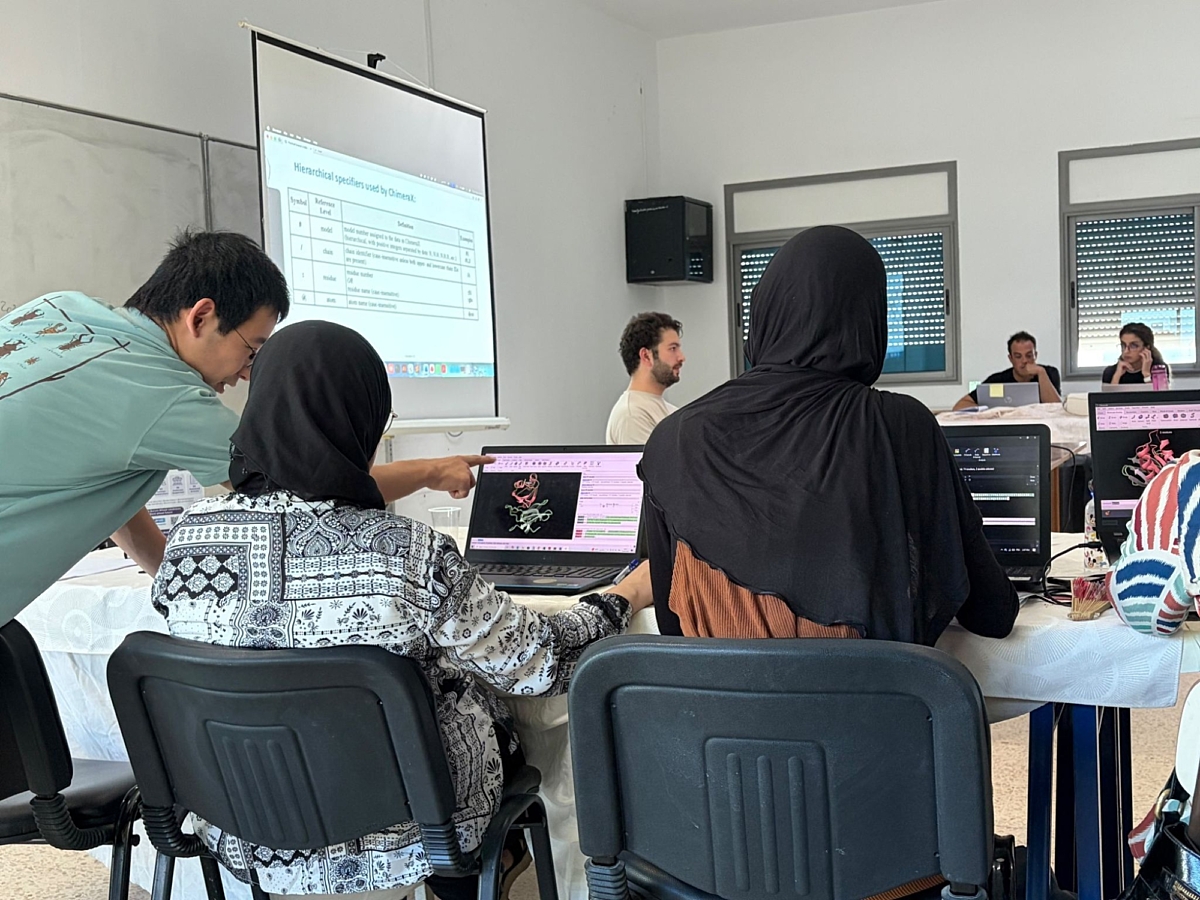
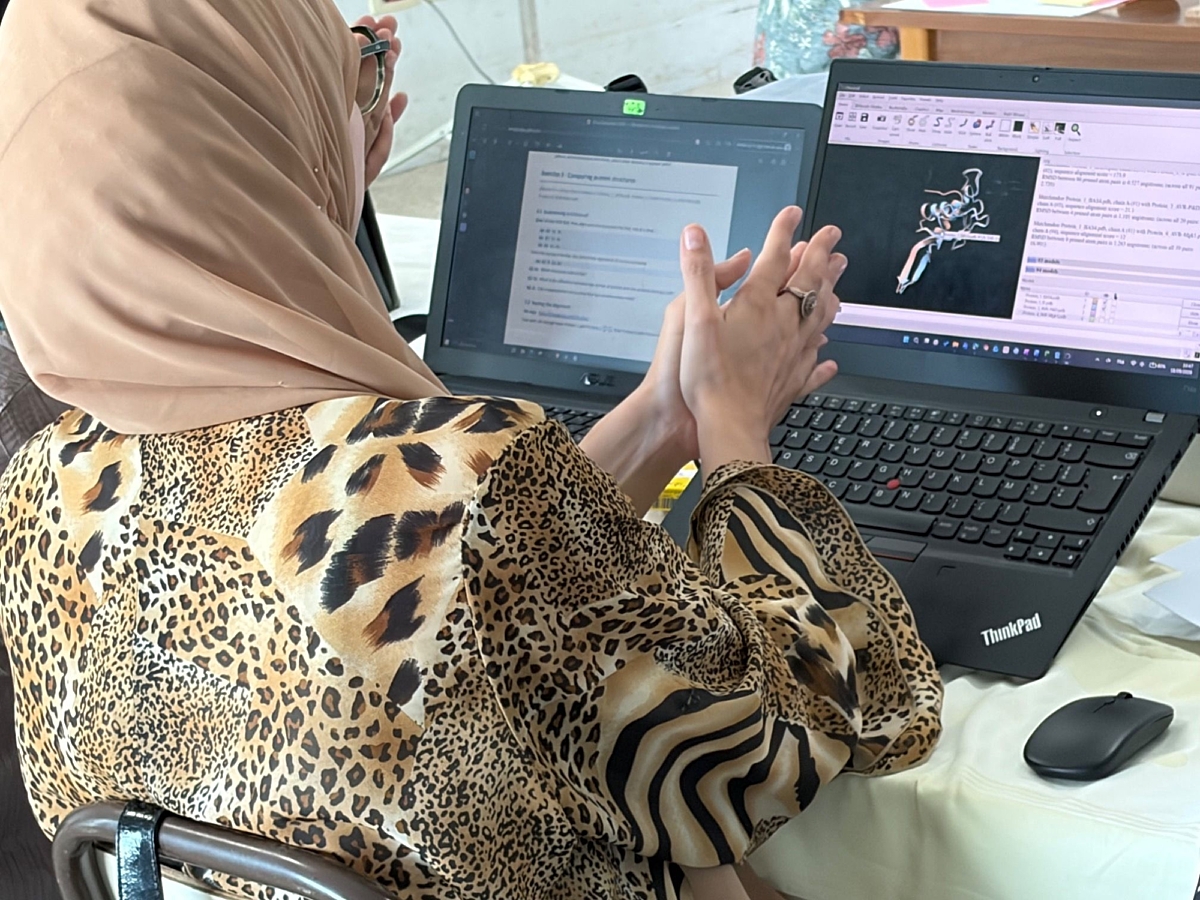
Participants, facilitators and trainers at the GetGenome AI in Genomics workshop at Espace Zmorda, Tunis, in collaboration with the Centre of Biotechnology of Borj Cédria (left), and at the Higher Institute of Biotechnology of Sfax (right). Credit: James Canham.
Turning genome data into discovery
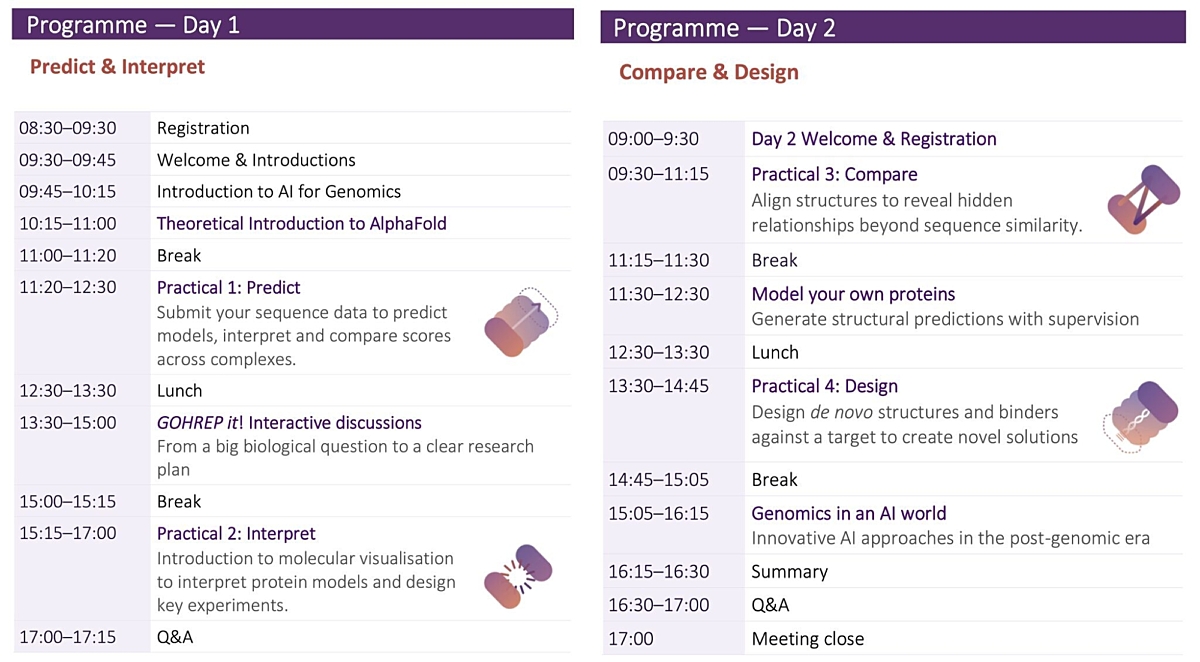
Delivered as a single programme across two cities — Tunis, with the Centre of Biotechnology of Borj Cédria, and Sfax, with the Higher Institute of Biotechnology of Sfax — the workshop reached 61 researchers from 18 organisations, the large majority early in their careers. Over two intensive days, participants worked through a complete structural-biology workflow built around four themes: Predict, Interpret, Compare and Design, taking a genetic sequence to a structural prediction, assessing how far to trust it, how to comparing it against related structures, and exploring protein design.
The workshop also piloted GetGenome’s 2026 Facilitator Programme: nine local facilitators, drawn from the host institutions, were trained to co-deliver the sessions and are now equipped to run future workshops independently using openly licensed (CC BY 4.0) materials; built so the programme’s reach keeps growing long after these workshops are completed.
The results, in numbers
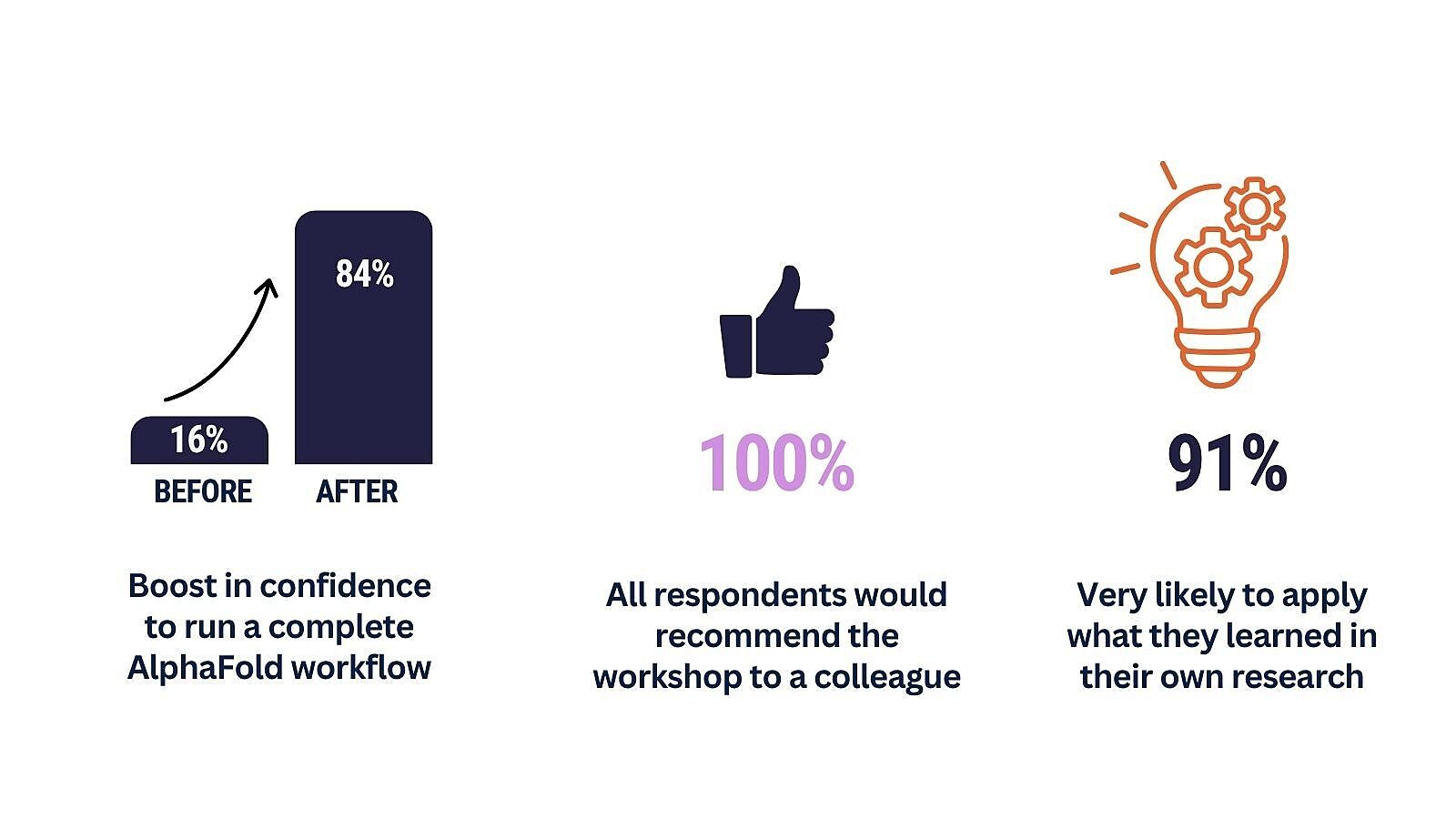
Participants completed a short survey before and after the workshop. Self-rated capability and confidence rose across the board: confidence to run a complete AlphaFold workflow increased from 0.8 to 4.2 out of 5. Every one of the 32 respondents who answered (100%) said they would recommend the workshop to a colleague, and 91% said they were very likely to apply what they learned in their own research.
James Canham, of GetGenome and The Sainsbury Laboratory, said: “We designed this workshop around a simple objective: could researchers leave not only having seen AI workflows demonstrated, but confident enough to run tools themselves, judge the result, and teach others to do the same? The survey data suggests they could, and the facilitator model means that confidence doesn’t leave with us, but has every chance to be amplified.”
In their feedback, workshop participants highlighted that they gained concrete new capabilities and changed their approach to research questions:
“I am now able to apply AI-driven protein design and protein–protein interaction analysis to investigate molecular mechanisms underlying plant–microbiome interactions.”
“I can now predict models using AlphaFold and [understand] the importance of having a big biological question.”
A full workshop report covering the complete survey data will be deposited as an open-access record on Zenodo, including the anonymised processed dataset behind these figures. The DOI will be added here once the deposit is published.
The Tunisia workshop marks a step toward a future where advances in AI-powered genomics are open, inclusive and shared — ensuring that researchers everywhere can turn genome data into discovery.
Learn more
• AI in Genomics: https://getgenome.net/impact/ai-in-genomics
• Facilitator Programme: https://getgenome.net/impact/ai-in-genomics/facilitator-programme
• Full workshop report and data (Zenodo): DOI to follow
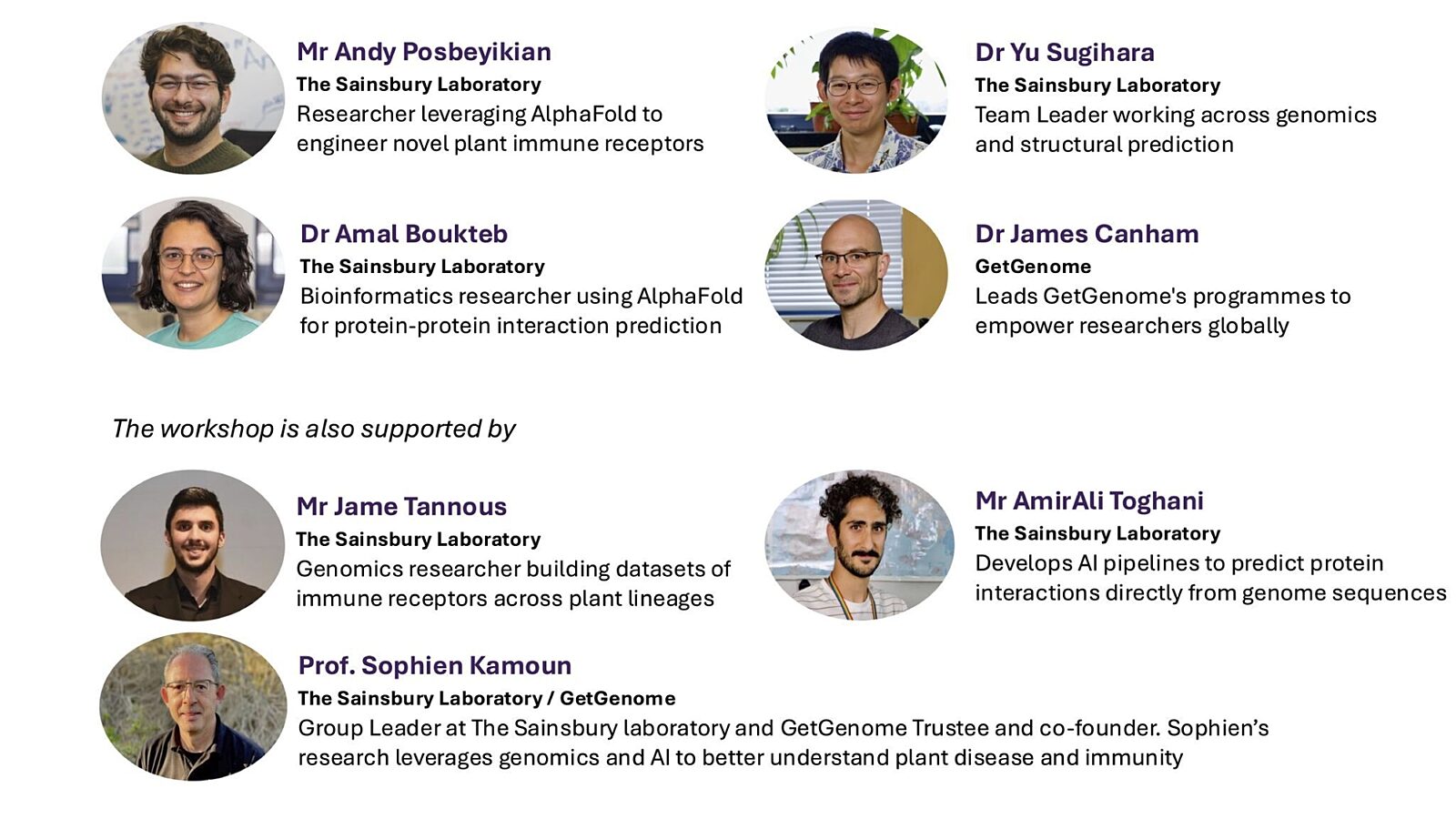
A very special thank you to our amazing trainers Andrés Posbeyikian, Amal Boukteb, Yu Sugihara, Jame Tannous and facilitators Takwa Marzouk, Fatma Nouira, Manel Chaouachi and Amani Ben Alaya for sharing their expertise and making these two days such a valuable and engaging experience.
Thank you also Espace Zmorda for hosting us and providing much-needed nature, tranquility and wonderful lunches and refreshments over the two days.