Colletotrichum higginsianum effector ChEC108 binds a plasmodesmal HMA protein and elicits plant defence
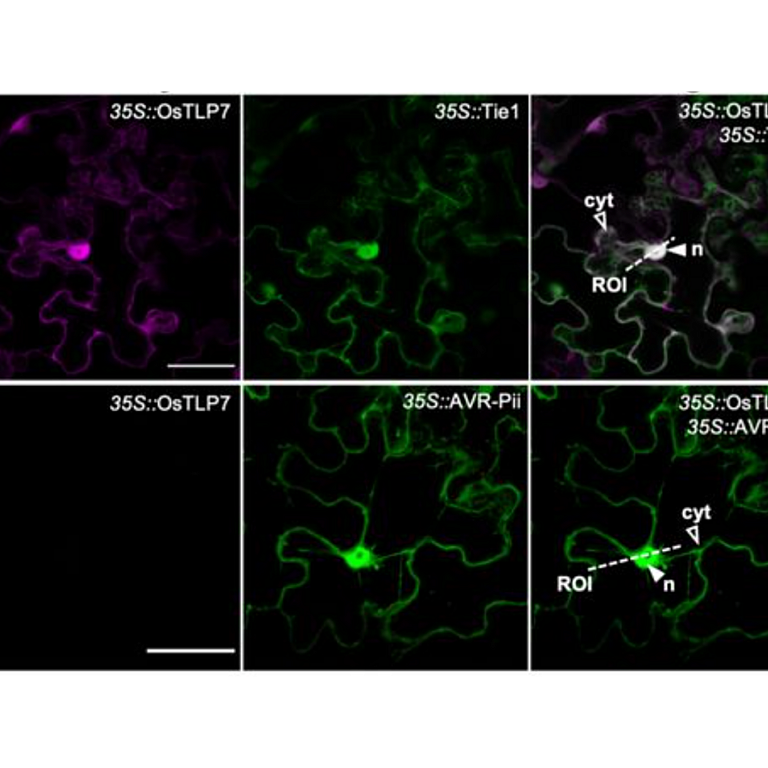
To establish infection, phytopathogens deploy effectors to compromise host defences and facilitate invasive growth. As part of this, the battle for control of symplastic connectivity via plasmodesmata is a key determinant of infection outcomes, yet little is known about how fungal effectors directly exploit these channels, and in turn, how hosts defend them. Here, we have identified ChEC108 as a plasmodesmal-targeting, cell-to-cell mobile effector from the anthracnose fungus, Colletotrichum higginsianum. ChEC108 binds the plasmodesmal protein HEAVY METAL-ASSOCIATED (HMA) ISOPRENYLATED PLANT PROTEIN 6 (HIPP6) from Arabidopsis via a tetrahedral metal ion coordination site with either of its HMA domains. Constitutive in planta expression of ChEC108 induces plasmodesmal closure and the upregulation of defence-associated genes in a manner dependent on its capacity to bind HIPP6. Further, HIPP6 binding impairs cell-to-cell mobility of ChEC108. Alongside the finding that loss of ChEC108 favoured C. higginsianum infection, this suggests ChEC108-HIPP6 interaction at plasmodesmata positively regulates defence.