Decoding plants cell by cell: opportunities and challenges in single-cell and spatial biology
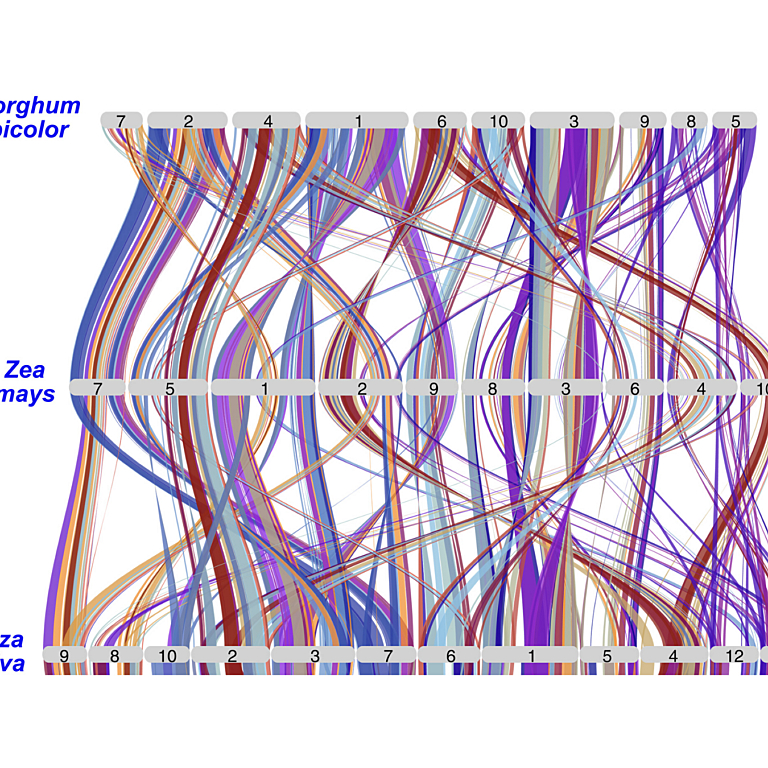
Recent advances in single-cell and spatial omics technologies are transforming plant research by enabling cell-resolved analyses of gene expression, proteomics, chromatin organization, and metabolism at the level of individual cells and at spatial resolution. These approaches have revealed extensive cellular heterogeneity, rare and transient cell states, and previously unrecognized developmental and physiological programs. However, they also introduce conceptual, technical, and computational challenges related to data quality and integration, and biological interpretation. In this review, we summarize the emerging opportunities and key bottlenecks in plant single-cell and spatial biology. We discuss how embedding single-cell data within evolutionary developmental frameworks can accelerate the discovery of functionally relevant genes, and how spatial transcriptomics may enable comparative study designs, the study of cell-to-cell communication, and multi-organism spatial analyses. We also explore how integrating multiple datatypes and gene regulatory network inference can move the field from descriptive atlases toward mechanistic insights. Finally, we highlight the importance of visualization strategies across spatial, temporal, environmental, and evolutionary scales. Overall, we argue that careful experimental design, robust data integration, and a clear understanding of cell identity are essential to obtain the full potential of plant single-cell and spatial omics in basic research and crop improvement.