Stomata — guarding the gates against bacterial invasion
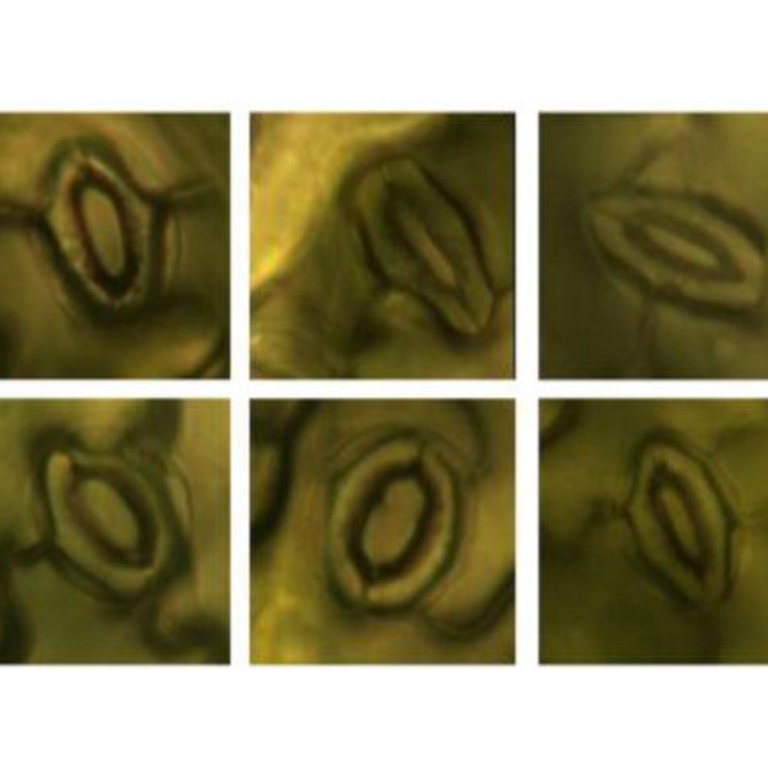
No organism lives alone. Every opening between a host and its environment is also an interface with the microbial world. As a PhD student studying plant–microorganism interactions, one image lodged itself in my memory: Welch et al.’s map of the human oral microbiome, an ordered yet chaotic geography of bacterial communities in our own mouths. Plants, too, have mouths, and many of them. Stomata (from the Greek stoma, meaning mouth) open and close to exchange gases and regulate water loss, which enables photosynthesis. The same openings can serve as entry points for environmental microorganisms. In 2006, Melotto et al. captured this idea vividly in a microscope image: the bacterial pathogen Pseudomonas syringae clustered around an open stoma while ignoring the closed one beside it. The bacteria seemed to know exactly where the door was. More striking was the paper’s central claim that the door is not a passive hole but an active gate, controlled by the plant’s innate immune system.